
Mold Testing in Stoopville, PA

Know What You're Breathing Before It's Too Late

Lab-backed mold testing that tells you exactly what’s in your air, where it’s coming from, and what to do next.

Hear from Our Customers

Professional Mold Testing Stoopville

Get Real Answers About Your Indoor Air

You’ve noticed the smell. Maybe someone in your house can’t stop coughing, or you’re about to close on a property and need documentation before you sign. Whatever brought you here, you need facts—not guesses.

Professional mold testing gives you lab results that show what species are present, how much, and whether your indoor air quality is actually a problem. No more wondering if that dark spot is dangerous or if you’re overreacting to a musty basement.

The test results come with a protocol. You’ll know if you need remediation, what it should include, and whether the company quoting you $15,000 is being straight with you. That’s the difference between testing and just looking around with a flashlight.

Mold Testing Company Stoopville PA

Licensed, Local, and Actually Independent

We serve Stoopville and the surrounding Bucks County area with Pennsylvania-licensed mold assessment services. We test for mold—we don’t sell you remediation at the same time. That matters because your report isn’t inflated to justify a bigger job.

We’ve been handling residential and commercial mold testing in this area long enough to know what Stoopville properties deal with. Older homes with stone foundations, flat roofs that pool water, basements that flood every few years—we’ve seen it. Our inspectors show up with thermal imaging cameras, moisture meters, and lab-grade sampling equipment, not a sales pitch.

How Mold Testing Works Stoopville

Here's What Happens During Your Inspection

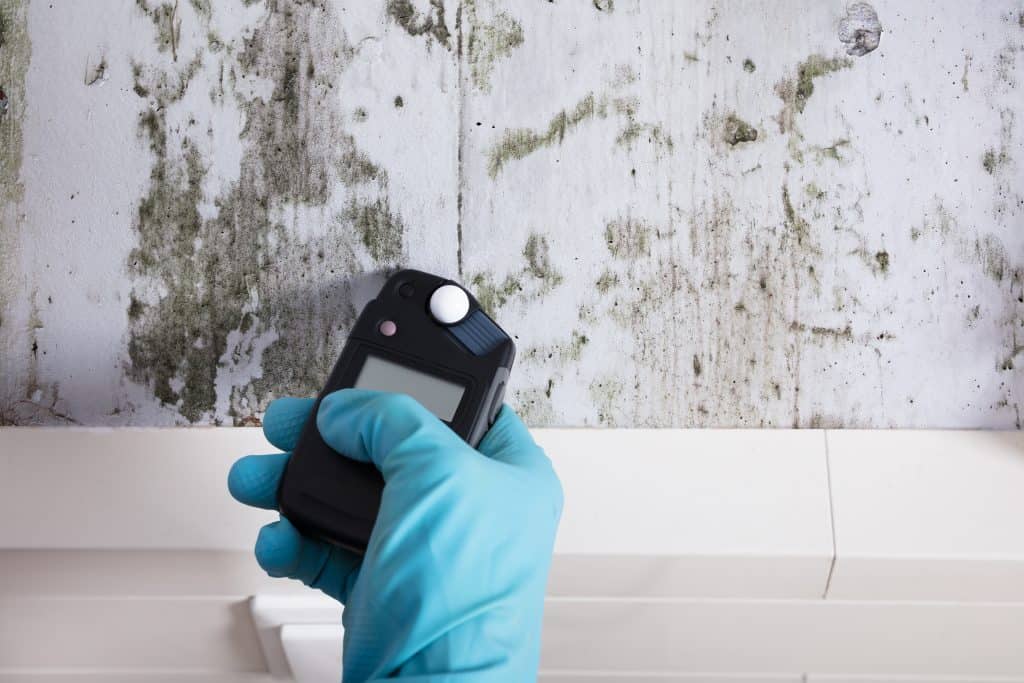
We start with a visual inspection using moisture detection tools and thermal imaging to find hidden water intrusion. That’s where mold grows—not always where you see it. We map out the moisture, check behind walls if needed, and identify any active leaks or condensation points.

Then we collect samples. Air sampling captures what’s floating around in your home. Surface sampling tests visible growth or suspicious areas. Both get sent to an independent lab for analysis, not some in-house setup that gives us room to fudge numbers.

Within a few days, you get a report. It lists every mold species found, the concentration levels, and whether your indoor air is elevated compared to outdoor baselines. If remediation is needed, the report includes a step-by-step protocol so any contractor you hire knows exactly what to do. You’re not left guessing what “mold removal” actually means.

Ready to get started?

Explore More Services

About Mack's Mold Removal

Residential Mold Testing Stoopville PA

What's Included in Your Mold Test

You get a licensed inspector who shows up fast—usually within 24 hours if you need it. They’ll spend time actually looking at your property, not rushing through a checklist. Thermal imaging and moisture mapping are standard, not upgrades.

Air and surface samples go to an accredited third-party lab. The results show species identification and spore counts, which tells you if you’re dealing with common mold or something that produces toxins. That’s critical if someone in your house has asthma or respiratory issues.

The written report breaks down what we found, where we found it, and what needs to happen next. If you’re buying or selling a home in Stoopville, this documentation satisfies Pennsylvania’s disclosure requirements. If you’re filing an insurance claim, it gives you the evidence adjusters actually need. And if you just want to know whether your kids’ bedroom is safe, you’ll have a clear answer backed by science, not opinions.

How much does mold testing cost in Stoopville, PA?

Most residential mold testing in Stoopville starts around $300 for a standard inspection with two air samples and a visual assessment using moisture detection tools. Larger homes or properties that need more sample points can run $700 to $1,000, depending on square footage and how many areas you want tested.

That price includes the lab analysis, not just someone walking through your house. The samples get sent to an independent laboratory that identifies mold species and quantifies spore levels. You’re paying for data, not guesswork.

If you’re comparing quotes, make sure you’re comparing the same scope. Some companies charge less but only do a visual inspection without lab work. That might be fine if you just need documentation for a real estate transaction and there’s no visible mold, but it won’t tell you what’s actually in your air.

A mold inspection is a visual assessment. An inspector looks for visible mold, checks for moisture problems, and uses tools like thermal imaging to find hidden water damage. You get a report that says whether mold is present and where the moisture is coming from.

Mold testing goes further. It involves collecting air or surface samples and sending them to a lab for analysis. The lab identifies what species of mold are present and measures the concentration. That’s important because not all mold is the same—some produce toxins, some don’t.

You’d want testing if someone in your home has unexplained health symptoms, if you’re buying or selling property and need documentation, or if you smell mold but can’t find the source. The lab results give you proof of what’s there and whether remediation is actually necessary. An inspection alone can’t do that.

Lab results typically come back within three to five business days after we collect samples. The timeline depends on the lab’s workload, but most accredited labs in Pennsylvania turn around residential mold tests in under a week.

Once we get the results, we compile them into a detailed report that explains what was found, where it was found, and what the numbers mean. If remediation is needed, the report includes a protocol with specific steps. You’ll have that full report within a day of receiving lab results.

If you’re in a time crunch—maybe you’re closing on a house or dealing with a health emergency—let us know upfront. Some labs offer expedited testing for an additional fee, and we can usually get results back in 24 to 48 hours if necessary.

If you can see mold and you’re planning to remove it anyway, testing isn’t always required. You already know it’s there. The question is whether you want to know what type it is and whether there’s more hiding somewhere else.

Testing makes sense even with visible mold if you’re dealing with a large area, if someone in your home has health issues, or if you’re documenting the problem for insurance or legal reasons. The lab results confirm what species you’re dealing with and whether it’s producing toxins. That affects how the remediation should be handled.

It’s also worth testing the air even if you only see a small patch of surface mold. Mold spreads through spores, and those spores can be circulating throughout your home even if the growth is contained to one spot. Air sampling tells you if your whole house has elevated mold levels or if the problem is localized. That changes the scope of what needs to be fixed.

“Black mold” usually refers to Stachybotrys chartarum, which can produce mycotoxins. But here’s the thing—you can’t identify mold species by color. Plenty of molds look black or dark green, and not all of them are toxic. The only way to know what you’re dealing with is through lab testing.

The testing process is the same whether you’re worried about black mold or any other type. We collect air or surface samples and send them to a lab that identifies the species and measures concentration levels. If Stachybotrys is present, the lab report will say so.

What changes is how you respond. If the lab confirms toxic mold, remediation needs to be handled carefully—containment, proper disposal, and sometimes air filtration during removal. But you won’t know if that’s necessary until you test. Assuming every dark spot is dangerous black mold leads to either panic or overpaying for remediation you might not need.

Pennsylvania law requires sellers to disclose known material defects, and mold qualifies when it affects habitability, structure, or health. But “known” is the key word—if the seller doesn’t know about it, they don’t have to disclose it. That’s why buyers often get mold testing done during inspections.

Stoopville has its share of older homes with stone foundations, flat roofs, and basements that have seen water over the years. A standard home inspection might catch visible mold, but it won’t tell you what’s behind walls or whether the air quality is compromised. Mold testing gives you that information before you close.

If the test comes back showing elevated mold levels, you have options. You can negotiate with the seller to handle remediation, ask for a price reduction, or walk away if it’s bad enough. Without testing, you’re buying blind. And if you discover mold after closing, you’re stuck with the bill—which can run anywhere from $1,500 to $20,000 depending on how far it’s spread.

Other Services we provide in Stoopville